
Eight-figure organisations
Built and led international sales organisations generating eight figures in sales.
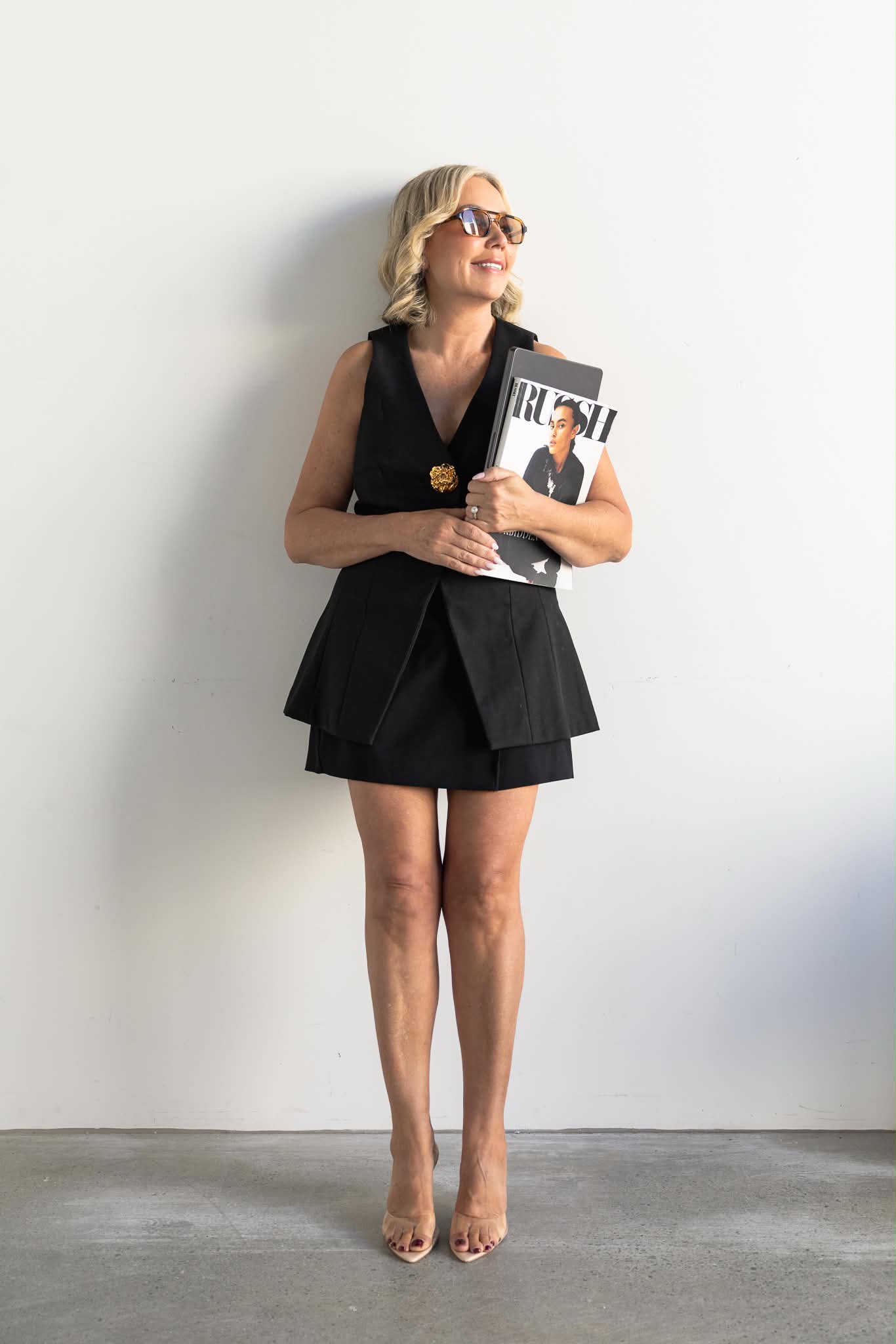
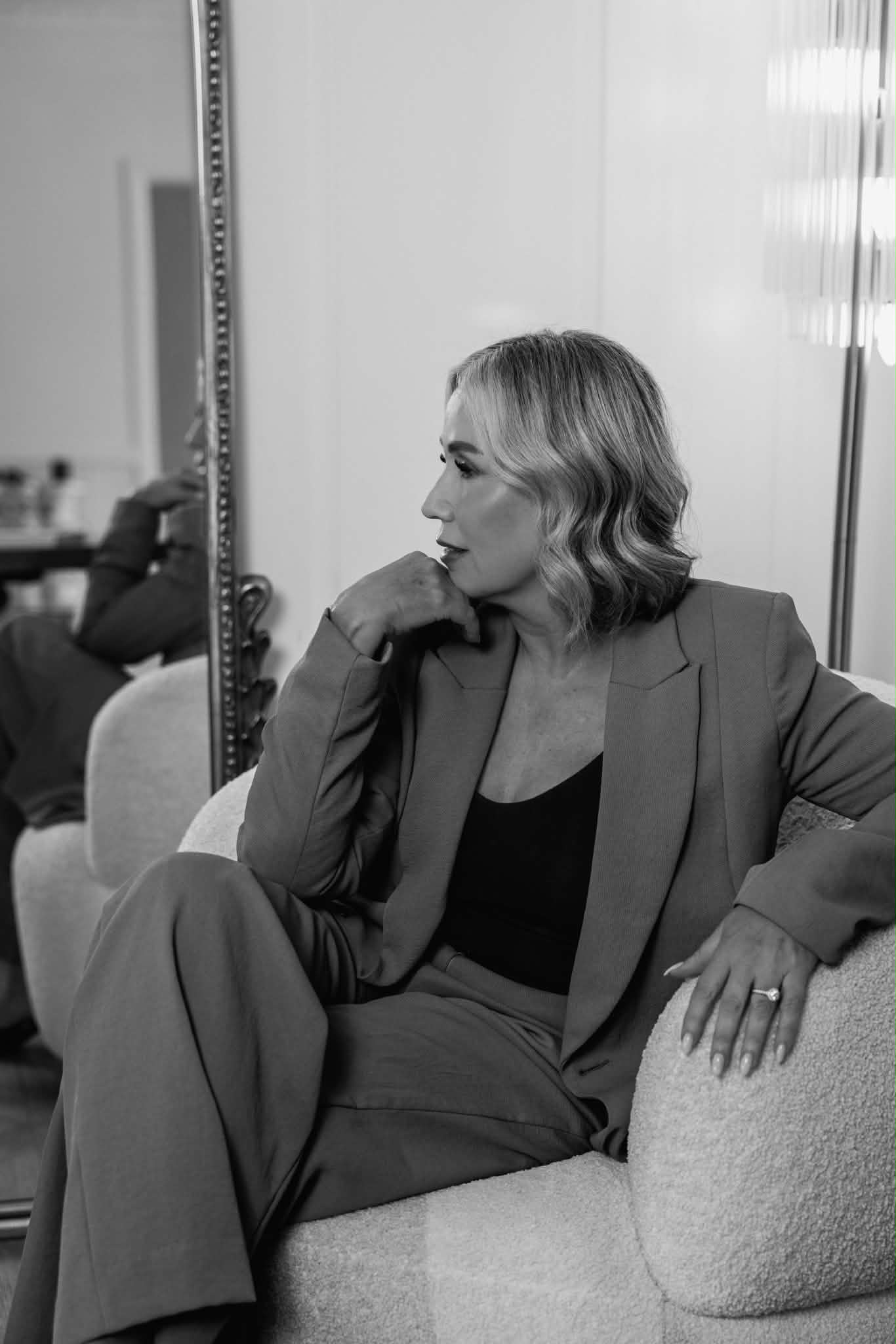
This is Sammie.G
Sales leader. Entrepreneur. Speaker. Consultant. Brand builder.
A Brit in Australia with five kids and a career that refuses to sit still. I’ve built and led eight-figure international sales organisations, developed markets for global companies and trained thousands in sales, marketing and business. These days I’m interested in what happens when capable women decide they want to do something different with everything they’ve learned.
You’re not starting from zero. x
The short version.

These figures describe the sales organisations I built and led, not personal income. I’d rather be precise than impressive. Happily, the two aren’t mutually exclusive.
Built and led international sales organisations generating eight figures in sales.
Repeatedly recognised among the top international sales performers for multibillion-dollar companies.
Developed international markets and led organisations of tens of thousands of people.
Created brands, courses and training programmes, and trained thousands of people in sales, marketing and business building.
International speaking, sales leadership and business consulting.
Built businesses from the kitchen table, more than once, and won industry awards along the way.
There’s a strange thing that happens when you’ve spent years getting good at something.
You stop noticing how much you know.
You assume everyone can do it. You give away advice over coffee. You solve problems in minutes that other people have been wrestling with for months. You have experience, judgement, shortcuts and hard-won lessons that don’t necessarily appear on your CV.
And because those things are so normal to you, you don’t always recognise their commercial value. But someone else might.
I think there’s an enormous opportunity for experienced women to build something of their own from what they’ve already learned.
By learning to recognise, package and sell the value that’s already there.
The things accomplished women are privately thinking and rarely saying out loud.
What if I’m only staying because I have no idea what else I’d do?
Why can I sell everyone else’s products but can’t work out what I’d sell myself?
What if I haven’t lost my ambition? What if I’ve just lost interest in where I’ve been putting it?
Do I actually need another qualification, or do I need to do something with the ones I’ve already got?
She’s not even better at it than me. She just had the guts to start.

The first offer
Monetise Me is my first programme. It’s for women who have spent years selling, solving problems and making things happen, and want to work out what they could build with that experience.
Business, sales, marketing, ambition, AI, reinvention, and the things women think at 2am but rarely say.
Why great sellers often freeze at a blank page, and why they’re better placed than they think.
Read the essay The 2AM FilesThe short answer is no. The longer answer is more useful.
Read the essay AmbitionOn the quiet, slightly alarming moment you realise the goal has stopped fitting.
Read the essay
From international stages and market launches to sales training, business consulting and helping people understand why customers buy, I’ve spent years working with people who want to grow businesses and do things differently.
On business, selling, ambition, AI and what happens when women stop underestimating what they know.
About Sammie
Less of a résumé. More of an explanation.

I’ve built businesses, changed careers, raised five kids, made money, made mistakes and reinvented myself more times than I care to count.
Some of it was planned. Quite a lot wasn’t.
I’ve spent years building brands, leading international sales organisations, training people and figuring out why people buy. And somewhere along the way, I became rather fascinated by what people can do with everything they’ve learned.
The careers, roughly in order
Flight attendant. Personal trainer. CrossFit coach. Health club manager. Online fitness entrepreneur. Brand designer. Property renovator. International sales leader. Keynote speaker. Business consultant.
I moved from Britain to Australia somewhere in the middle of all that, which tells you something about my approach to risk. Some ventures went enormously well. Others taught me things I’d rather not have paid quite so much to learn.
What actually stuck
The skills that have created the most opportunities for me aren’t the ones I originally trained for. They’re the ones I picked up by doing.
Sales. Marketing. Understanding people. Spotting opportunities. Building brands. Turning ideas into businesses.
None of those came with a certificate. All of them turned out to be worth more than the ones that did.
Where I am now
I understand why capable women reach a point where they want something different. I’ve been there more than once. I also happen to be quite good at the practical part: working out what you could actually do with what you already know.
That’s what this space is for. Business, selling, marketing, ambition, AI, reinvention, and the occasionally ridiculous experience of building a life and a business at the same time.
You might not need another career, another qualification or someone else’s business opportunity. You might need to look at what you’ve already got a little differently.
The journal · Selling your experience
Why the most valuable part of your experience is usually the part you’d never think to charge for.
A friend rings you with a problem. Ten minutes later it’s sorted, she’s thanking you profusely, and you’ve already forgotten about it. To you it wasn’t help. It was just a conversation.
That, in a nutshell, is the problem with expertise. The better you get at something, the less it feels like a skill. It starts to feel like common sense. And nobody charges for common sense.
I’ve trained thousands of people to sell, and the pattern is almost comical. Ask someone what they’re good at and they’ll recite their job title. Ask them what people come to them for and you get the real answer: the way they calm a room, spot the flaw in a plan, make a budget behave or get a stalled team moving again.
The second list is always more interesting. It’s also almost always the one with commercial value.
Here’s why it’s invisible. You learned it by doing, not by studying, so there’s no certificate on the wall to remind you it exists. It took years, but it happened a little at a time, so it never felt like an achievement. And because it comes easily now, you assume it comes easily to everyone.
It doesn’t. The things you can do in ten minutes are often the things someone else has been stuck on for ten months. That gap is where the value lives.
So here’s a small exercise. For the next week, notice every time someone asks you for help, advice or an opinion. Write down what they asked and what you told them. Don’t edit it and don’t judge it. Just collect it.
By Friday you’ll have a list. Some of it will look painfully obvious to you. Good. Obvious to you is not the same as obvious.
The question isn’t whether you know anything worth paying for. You almost certainly do. The question is whether you’re prepared to take it seriously.
The journal · The 2AM Files
The short answer is no. The longer answer is more useful.
It’s one of those questions that turns up at 2am, usually right after you’ve watched someone half your age confidently explain a thing you’ve been doing for twenty years.
I understand the fear. Somewhere along the way, selling your expertise got tangled up with trending audio and filming your breakfast. If that’s the price of admission, plenty of capable women would rather not bother.
Here’s the thing, though. Influence and income are not the same thing.
An influencer sells attention. You’d be selling a result. Those are very different businesses.
Attention needs volume: lots of posts, lots of followers, lots of noise. Results need something else entirely. They need a specific person with a specific problem who trusts that you can solve it. You don’t need a hundred thousand people for that. Depending on what you offer, you might need fifty. Or twelve.
I’ve spent a long time in sales, and the most effective selling I’ve seen rarely looks like performance. It looks like paying attention, understanding what someone actually wants and explaining clearly how you can help. Most experienced women already have that skill. They just haven’t pointed it at their own work.
That doesn’t mean you can hide. If people can’t find you, they can’t buy from you. You’ll need to talk about what you know, somewhere, in a way that sounds like you. But being visible and being an influencer are not the same job.
So no, you don’t have to become an influencer. You have to become clear about what you know, who needs it and why it’s worth paying for. Clarity sells. It just doesn’t need a ring light.
The journal
Essays and opinions on business, sales, marketing, ambition, AI and reinvention. Plus The 2AM Files: the things accomplished women are privately thinking and rarely saying out loud.
Why great sellers often freeze at a blank page, and why they’re better placed than they think.
Read the essay BusinessCompliments aren’t demand. How to test an idea before you spend six months building it.
Read the essay The 2AM FilesThe short answer is no. The longer answer is more useful.
Read the essay ExperienceWhy the most valuable part of your experience is usually the part you’d never think to charge for.
Read the essay AmbitionOn the quiet, slightly alarming moment you realise the goal has stopped fitting.
Read the essay
Speaking & consulting
From international stages and market launches to sales training, business consulting and helping people understand why customers buy, I’ve spent years working with people who want to grow businesses and do things differently.
Rooms I’m usually in
Enquiries
Speaking, workshops or a consulting conversation. Share a little about your audience or business and what you have in mind.

Sammie G · The first offer
Maybe you’ve built a business around someone else’s products. Maybe you’ve spent years in an industry you’re ready to move beyond. Or maybe you’re the person everyone comes to for advice, but you’ve never worked out how to turn that knowledge into something of your own.
Monetise Me is about finding the commercial opportunity in what you already know, and learning how to turn it into an offer people actually want.
The opportunities are different, the rules are different, and the way people build, buy and make money is different too. You don’t have to walk away from what you already do. You might just have more options than you think.
And this time, you’ve got the advantage.
You don’t need to dance on camera or post five times a day to sell what you know.
You’ve been doing the work for years. Feeling ready isn’t something you buy in a certificate.
You’re starting from experience. We’re going to use all of it.
Dates, format and pricing go to the waitlist first. No spam, and you can leave whenever you like.
One thing I won’t do is promise you a figure. Nobody honest can. What I can do is help you work out what’s worth building.
Doors open soon.
The journal · Ambition
On the quiet, slightly alarming moment you realise the goal has stopped fitting.
There’s a particular kind of tired that has nothing to do with sleep. You’re still capable. You’re still good at your job. You still turn up and deliver. You just can’t quite remember why it matters as much as it used to.
For a lot of women, the first instinct is to assume something has gone wrong with them. That they’ve gone soft, or lost their edge, or that this is simply what getting older feels like.
I don’t think that’s what’s happening at all.
Ambition isn’t a fixed amount you either have or don’t. It’s energy pointed at something. When the something stops being interesting, the energy doesn’t vanish. It goes looking for somewhere better to be.
I’ve changed direction more times than I can count, and I’ve noticed that the restlessness almost always arrives before the clarity. It feels like dissatisfaction. Often it’s curiosity that hasn’t found its target yet.
That doesn’t mean you should resign on Monday. Restlessness is information, not instructions. But it’s worth paying attention to, rather than talking yourself out of it.
A few questions I find useful. What do you read about when nobody’s asking you to? What problems do you solve for other people without being asked? What would you do more of if it paid properly?
The answers usually point somewhere. Not always somewhere comfortable, and rarely somewhere fully formed. But somewhere.
You haven’t lost your ambition. You’ve outgrown the container. That isn’t a crisis. It might be the most interesting thing that’s happened to you in years.
The journal · Selling
Why great sellers often freeze at a blank page, and why they’re better placed than they think.
Some of the best salespeople I know freeze completely when you ask them what they’d sell if it were their own product. It’s not a confidence problem. It’s a different skill.
When you sell someone else’s product, a lot of decisions have been made for you. Somebody else worked out who it was for, what problem it solved, how it should be packaged and what it should cost. Your job was connection and persuasion, and you got very good at it.
So when you sit down to create something of your own, you’re faced with all the steps you never had to do. The blank page isn’t evidence that you can’t. It’s evidence that you skipped a stage nobody asked you to do before.
Selling starts with a product. Creating an offer starts with a person.
Here’s the part people miss. If you’ve spent years selling, you already hold the most valuable research there is. You know what customers say just before they buy. You know what makes them hesitate. You know the questions they ask that have nothing to do with the product at all.
Those questions are where your offer is hiding. Someone who keeps asking how you stay organised, how you handle objections or how you talk about money isn’t really asking about the product. They’re telling you what they struggle with.
Try writing down the ten questions people ask you most often, then answer three more:
Who do I understand better than most people do? What do they keep getting stuck on that I know how to fix? What result would be worth paying for?
You don’t need to love the answers straight away. You just need to notice that you have them.
Being good at selling doesn’t automatically tell you what to sell. But it does mean that once you know, you’re already better at the hardest part than most people who start out.
The journal · Business
Compliments aren’t demand. How to test an idea before you spend six months building it.
It happens all the time. Someone spends six months building a course, filming the videos, designing the workbook and setting up the website. Launch day arrives, and almost nobody buys.
Usually the product wasn’t bad. The problem is that nobody checked whether anyone wanted it before it was built.
Compliments aren’t demand.
“What a great idea” costs nothing to say. Friends say it because they like you. Followers say it because it’s easy. None of it tells you whether someone will hand over money.
So before you build anything, try this.
Say it in one sentence. “I help [a specific person] get [a specific result] without [the thing they’re fed up with].” If you can’t fill in the gaps, you’re not ready to build. You’re ready to think.
Talk to ten people who fit. Not about your idea, about their problem. What have they already tried? What did it cost them? What would solving it be worth? You’ll learn more in ten honest conversations than in a month of planning.
Offer it before it exists. Run a small live version, a workshop or a pilot at a founding price. If people pay, you have evidence, and you can build the full thing around what they actually needed. If they don’t, you’ve saved yourself six months.
Watch for real signals. Money, time and a firm yes are signals. “Let me know when it’s ready” is a polite maybe.
None of this is glamorous. It is, however, how good offers get made. The building part is the easy bit once you know someone’s waiting for it.
The small print
When you send an enquiry or join the Monetise Me waitlist, this site collects the details you type in: your name, your email address and, for enquiries, your message.
Why. Enquiry details are used only to reply to you. Waitlist details are used to send you news about Monetise Me, including dates, format and pricing.
Where they go. Form submissions are handled by a third-party form service and delivered to Sammie by email. Your details are not sold or shared with anyone else for their marketing.
Your choices. You can unsubscribe from waitlist emails at any time, or ask for your details to be corrected or deleted by replying to any email from Sammie.
This site doesn’t use advertising trackers.